
The global sports tourism industry is entering a golden era, and few upcoming events illustrate this better than the 2027 Africa Cup of Nations (AFCON 2027). As one of Africa’s largest sporting events, AFCON presents a massive opportunity for host nations, tourism stakeholders, and especially tour operators.
At the center of this opportunity are destination marketing organizations (DMOs). These organizations don’t just promote cities, they orchestrate global visibility, attract international visitors, and turn sporting tournaments into long-term tourism growth engines.
AFCON 2027 is a perfect case study of how destination marketing organizations drive event and sports tourism growth, and how tour operators can position themselves to benefit.
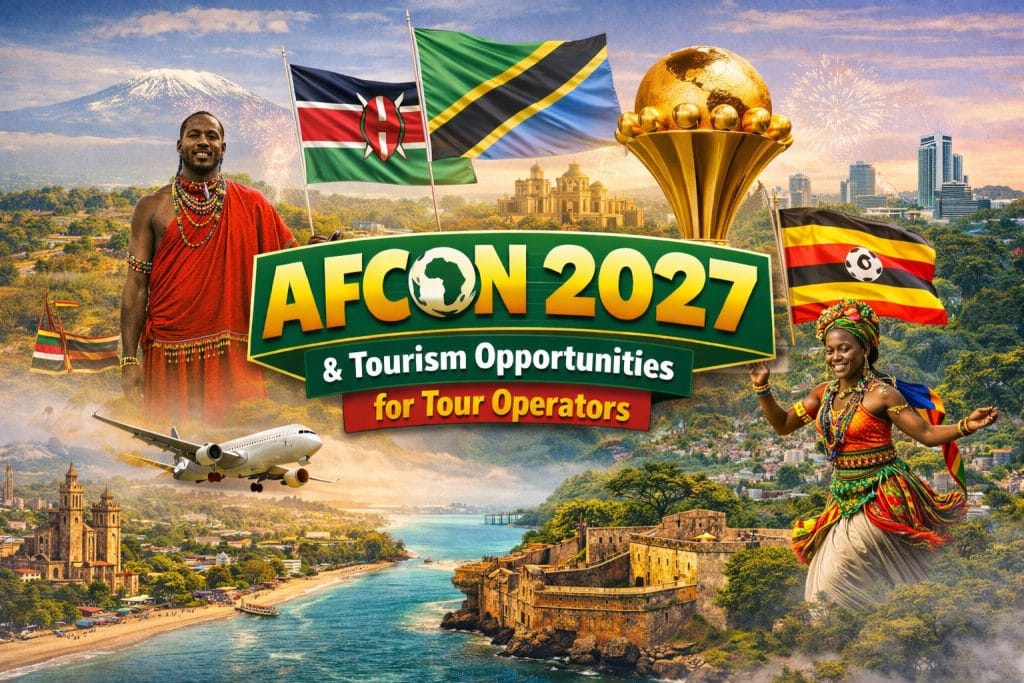
Why AFCON 2027 Is a Game-Changer for Tourism
AFCON is more than a football tournament. It is:
- A continental celebration
- A media spectacle broadcast worldwide
- A driver of infrastructure development
- A catalyst for cross-border travel
- A magnet for diaspora tourism
With millions of fans traveling between host cities and countries, AFCON 2027 will create spikes in:
- Flight bookings
- Hotel occupancy
- Tour inquiries
- Event-based excursions
- Cultural experience demand
Destination marketing organizations in host countries are already strategizing how to maximize the tournament’s economic impact.
For tour operators, the time to prepare is now.
How Destination Marketing Organizations Leverage Major Sporting Events Like AFCON
1. Global Destination Branding
When a country hosts AFCON, destination marketing organizations use the event to reshape international perception.
For example, instead of promoting generic tourism messaging, they align branding with:
- National pride
- Cultural vibrancy
- Stadium infrastructure
- Safety and accessibility
- Unique travel experiences beyond football
During AFCON 2027, DMOs will likely showcase:
- Safari experiences
- Beach tourism
- Cultural heritage sites
- Culinary tourism
- Urban nightlife
They understand that while fans arrive for football, they extend their stay for experiences.
What tour operators can do:
Create AFCON-branded travel packages such as:
- “Match & Safari Experience”
- “AFCON Fan Cultural Tour”
- “Football & Beach Escape Package”
- “Diaspora Heritage + AFCON Tour”
Align your branding with the broader destination message promoted by destination marketing organizations.
2. Search Visibility Before the Tournament Begins
Long before kickoff, fans will search for:
- “AFCON 2027 travel packages”
- “Best hotels for AFCON”
- “Things to do during AFCON 2027”
- “AFCON 2027 safari tours”
Destination marketing organizations will invest heavily in digital campaigns and SEO to capture this search demand.
Tour operators must do the same.
Investing in professional Tourism SEO Services ensures your website ranks for high-intent AFCON-related keywords. Early content creation, such as blogs, landing pages, and destination guides, can position your business ahead of competitors.
Example content ideas:
- “Top 10 Things to Do Between AFCON Matches”
- “Ultimate AFCON 2027 Travel Guide”
- “Best Safari Extensions During AFCON 2027”
- “AFCON 2027 Fan Travel Checklist”
Ranking before demand peaks is critical.
3. Paid Advertising During Peak Booking Periods
As AFCON 2027 approaches, booking windows will shorten and urgency will increase. Destination marketing organizations will launch aggressive paid campaigns targeting key markets across Africa, Europe, and the diaspora.
Tour operators should mirror this strategy with targeted campaigns using Google Ads for Travel Agencies.
For example:
- Target Nigerians searching for travel to host cities
- Target UK-based African diaspora fans
- Run geo-targeted ads in countries whose teams qualify
- Bid on “AFCON 2027 tickets + hotel packages.”
Paid ads allow tour operators to capture high-intent traffic instantly, especially during knockout stages when excitement spikes.
4. Multi-City & Cross-Border Tour Opportunities
AFCON tournaments typically span multiple cities and sometimes multiple countries. Destination marketing organizations coordinate transportation, city branding, and visitor flow.
Tour operators can create:
- Multi-city match tours
- Cross-border supporter caravans
- Group bus packages between stadium cities
- VIP match hospitality experiences
- Post-final luxury getaway packages
For example:
- “Quarter-Final City Explorer Tour”
- “Follow Your Team AFCON 2027 Package”
- “Final Weekend + Cultural Immersion Experience”
DMOs create the demand flow between cities. Tour operators convert that flow into revenue.
5. Leveraging the African Diaspora Market
AFCON attracts a powerful diaspora audience, fans traveling back to the continent for cultural reconnection.
Destination marketing organizations will highlight:
- Heritage tourism
- Cultural festivals
- Community events
- Ancestral travel experiences
Tour operators can create hybrid experiences such as:
- “AFCON 2027 + Ancestral Village Tour”
- “Football & Roots Experience”
- “AFCON + Local Culinary Journey”
These emotionally driven packages increase stay duration and spending.
6. Sustainability as a Selling Point
Modern destination marketing organizations increasingly emphasize environmental and social sustainability when hosting mega-events.
AFCON 2027 may highlight:
- Eco-friendly stadium initiatives
- Community-based tourism
- Green transportation
- Carbon reduction campaigns
Tour operators can align with this by adopting and promoting Sustainable Tourism Marketing strategies.
Examples include:
- Carbon-neutral safari add-ons
- Community homestays
- Ethical wildlife tours
- Local artisan market visits
Today’s sports traveler, especially international visitors, values responsible travel options.
Sustainability is not just ethical; it’s a profitable positioning.
Practical AFCON 2027 Strategy for Tour Operators
Here’s a step-by-step action plan inspired by how destination marketing organizations operate:
Phase 1: Pre-Event
- Publish AFCON 2027 content pages
- Optimize for football-related search queries
- Build email lists for interested fans
- Partner with hotels and transport providers
- Monitor team qualification trends
Phase 2: Qualification Stage Buzz
- Launch targeted Google Ads campaigns
- Create team-specific travel pages
- Offer early-bird discounts
- Target diaspora communities
Phase 3: Tournament Period
- Increase paid ad budgets
- Promote last-minute travel deals
- Offer daily city tours between matches
- Run social media contests
- Capture user-generated content
Phase 4: Post-Tournament Legacy
Destination marketing organizations use major tournaments to boost future tourism.
Tour operators can:
- Retarget AFCON visitors for return trips
- Offer loyalty discounts
- Promote upcoming festivals
- Convert sports tourists into repeat leisure travelers
The tournament ends. The revenue cycle should not.
Real Revenue Scenarios for AFCON 2027
Let’s break down concrete examples.
Scenario 1: Group Match Travelers
A group of 20 fans from Ghana travels to support their team.
Tour Operator Opportunity:
- Airport transfers
- Matchday transport
- 3-day city tours
- Local dining experiences
- Post-match beach extension
Potential revenue per group: High-value multi-service booking.
Scenario 2: Corporate Hospitality Clients
Businesses sponsor VIP guests during AFCON.
Tour Operator Opportunity:
- Premium stadium hospitality
- Luxury accommodation
- Private guided tours
- Executive transport services
Corporate clients often spend 3–5x more than average fans.
Scenario 3: Knockout Stage Travel Surge
When teams qualify for the semifinals, fans book last-minute trips.
Tour Operator Opportunity:
- Urgent travel packages
- Express visa support
- Same-week hotel bundles
- Premium pricing
This is where paid advertising pays off immediately.
Content Ideas Specifically for AFCON 2027
Tour operators should create:
- “AFCON 2027 Host City Guide”
- “Top Safari Destinations to Visit After AFCON Matches”
- “AFCON 2027 Fan Safety Travel Guide”
- “Best Nightlife Spots During AFCON”
- “AFCON 2027 Transportation Guide”
Destination marketing organizations dominate general visibility, but local operators can dominate niche and experience-specific searches.
Collaboration with Destination Marketing Organizations
Tour operators should:
- Register with official tourism boards
- Attend pre-AFCON tourism briefings
- Contribute to DMO marketing campaigns
- Get listed on official event travel directories
- Share data insights with local tourism authorities
When DMOs run international campaigns, aligned operators receive spillover traffic.
Why Timing Matters
The biggest mistake tour operators make with major tournaments is waiting until the event year to market.
Destination marketing organizations plan 3–5 years ahead.
Tour operators should:
- Start SEO early
- Build backlinks from sports blogs
- Develop landing pages now
- Prepare Google Ads campaigns in advance
- Secure hotel allocations early
The businesses ranking on Google when AFCON 2027 search volume peaks will capture the most bookings.
Final Thoughts: AFCON 2027 Is a Blueprint for Growth
Destination marketing organizations treat sporting events like long-term investments, not short-term promotions. AFCON 2027 will bring global media exposure, infrastructure upgrades, diaspora engagement, and unprecedented travel demand.
For tour operators, this is more than an event; it’s a strategic growth window.
By adopting the same principles used by destination marketing organizations, data-driven marketing, SEO visibility, paid advertising, sustainability positioning, and strategic partnerships, tour operators can turn AFCON 2027 into their most profitable season yet.
Those who prepare early will dominate search results.
Those who align with the destination narrative will capture international travelers.
Those who invest in digital marketing will convert excitement into revenue.
AFCON 2027 is coming.
The question is: will your tour business be visible when fans start searching?
Add your first comment to this post