
Building a travel-related website isn’t the same as building a website for a restaurant, an online store, or a SaaS brand. Tourism audiences behave differently, convert differently, and expect a different emotional experience. This is why many brands turn to tourism web design experts, professionals who understand how travelers think, browse, and book. These specialists use design strategies built specifically for the tourism industry, approaches that consistently outperform generic design methods and drive significantly more inquiries and bookings.
Travel decision-making begins long before a visitor is ready to buy. Tourism specialists understand that websites must inspire first, reassure second, and convert third. This emotional flow is the core foundation that makes their work so effective.
1. They Design for Inspiration Before Conversion
Most industries lead with conversion-driven layouts, but travel isn’t one of them. Travelers need to feel inspired, excited, and emotionally connected to a destination before they consider buying anything. That’s why tourism-focused designers structure pages with an inspiration-first hierarchy: immersive imagery, compelling hero sections, and emotional microcopy that paints a vivid picture of the experience.
They craft cinematic openings using full-width visuals, videos, or slideshows that transport visitors into the story. The goal is to help people imagine themselves there, walking the streets, exploring the landscapes, tasting the food, or engaging in adventures. Once the emotional connection forms, conversion-based elements seamlessly guide the journey toward booking.
This strategic sequence is something general designers rarely apply, which is why many travel websites feel flat or overly corporate.
2. They Use Visual Storytelling as a Core Strategy
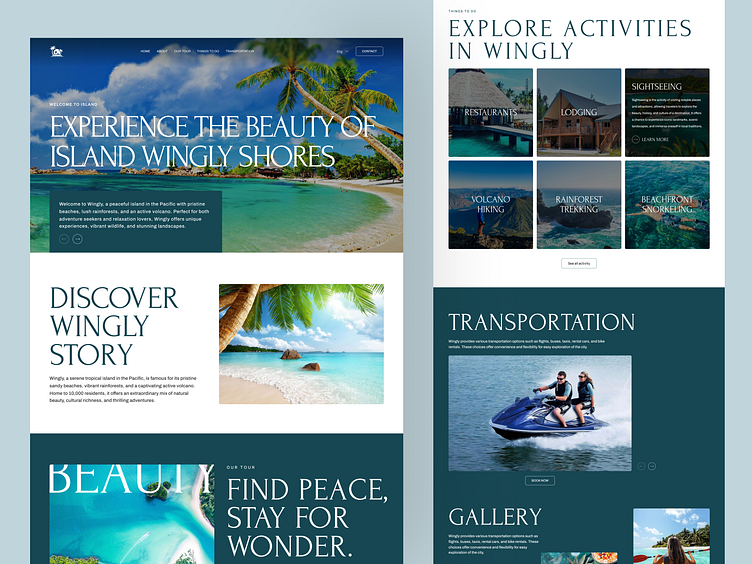
Tourism thrives on narrative. People don’t buy tours or hotel rooms; they buy stories and the promise of memorable experiences. Tourism web design specialists know how to translate this into visual storytelling.
Instead of using generic stock photos, they curate authentic local imagery and culturally rich visuals. Their layouts mimic the flow of an actual journey: discovering the destination, exploring activities, understanding the logistics, and finally taking action.
They carefully orchestrate imagery to guide emotions, serenity, adventure, curiosity, and ensure photos and videos complement the written narrative. This creates a cohesive storytelling environment that pulls visitors deeper into the experience.
3. They Design with Traveler Psychology in Mind
Travelers behave differently from typical online shoppers. They compare options, consume large amounts of content, browse repeatedly, and often plan trips months in advance. Tourism web design experts deeply understand this behavior.
They structure pages to reduce decision fatigue by limiting overwhelming choices and offering simple, guided pathways. Navigation is streamlined, categories are intuitive, and content hierarchy is arranged to support exploration rather than push aggressive sales tactics.
Trust signals play a major role. Designers strategically position reviews, traveler photos, awards, and certifications to eliminate hesitations. Detailed FAQs and transparent pricing are placed where users tend to question or hesitate most.
These psychological insights lead to designs that feel natural and helpful rather than sales-driven.
4. They Build Frictionless Booking Experiences
Booking a trip is more complex than completing a typical e-commerce transaction. Dates, group sizes, availability, multi-day itineraries, and add-ons all create friction. Tourism-focused designers build booking flows that reduce abandonment using clear steps, simplified forms, and transparent information.
Easy-to-use booking widgets, clear date selectors, and real-time availability indicators help visitors move forward with confidence. Pricing is presented honestly, with no hidden fees that might create distrust. At key points in the booking process, reassurance elements, secure payment badges, refund policies, and trust guarantees appear naturally to reinforce confidence.
5. They Build Mobile-First, Not Mobile-Friendly, Experiences
Most travel inspiration and planning happens on mobile devices, especially during trips. Tourism web design specialists build layouts specifically optimized for mobile behavior.
This includes thumb-friendly navigation, larger call-to-action buttons, lightweight media, and sticky booking bars that remain visible without being intrusive. Mobile checkout is streamlined to prevent frustration, and forms are optimized for easy tap-and-type interactions.
A generalist designer may simply scale down a desktop design, but tourism specialists rethink the mobile experience entirely, ensuring travelers can browse and book effortlessly on the go.
6. They Integrate Destination Identity and Culture into Branding
Travel is deeply tied to cultural identity. Tourism web design experts ensure that the website reflects the essence of the destination or experience. This may involve regionally inspired color schemes, typography that evokes cultural motifs, and imagery that feels authentic to the location.
This branding approach strengthens emotional engagement and helps travelers connect with the destination before they ever arrive. Tourism brands that feel culturally rich consistently outperform those that look generic.
7. They Optimize Websites for Travel-Specific SEO
Travel SEO is incredibly competitive, which is why specialists design websites with a search structure built into the foundation. Tourism experts understand how travelers search and create pages that match the keywords and intent behind their queries.
Strategic internal linking, destination-focused landing pages, optimized tour layouts, and structured blog content all help improve rankings. If you want a deeper look at how this works, explore how seo for travel agency strategies are tailored to match traveler search behavior.
Additionally, schema markup for tours, FAQs, and reviews helps search engines better understand and display content.
8. They Implement Travel-Specific Technology Integrations
From booking engines to channel managers and CRM platforms, travel businesses need operational tools that seamlessly integrate with the website. Tourism specialists know which systems work best for agencies, tour operators, and destination marketers.
They also implement multi-language support, currency localization, and location-based recommendations, features essential to global travelers. By ensuring the backend supports real-world operations, they reduce workload for staff while improving the traveler experience.
9. They Design for Global Audiences and Accessibility
Travel businesses serve diverse audiences. Tourism designers make websites accessible and user-friendly for international visitors by incorporating multi-language menus, culturally neutral icons, and content layouts that accommodate translation.
Accessibility features such as alternative text, legible typography, and screen-reader-friendly structures ensure the site serves people with different abilities and reading levels. This improves usability and expands market reach.
10. They Build Trust from the First Second
Travel purchases come with higher perceived risk, so trust is essential. Tourism web design experts place trust elements strategically throughout the site: traveler testimonials, transparent policies, real traveler photos, and safety certifications.
These details create instant reassurance. The site feels real, reliable, and operated by professionals, qualities that boost conversions dramatically.
Using the Right Experts Makes All the Difference
Tourism web design experts approach websites with a deep understanding of traveler psychology, cultural identity, global audiences, and complex booking behavior. The result is a website that inspires, informs, and converts more effectively.
If you’re looking to elevate your travel brand, partnering with true tourism web design experts gives you a competitive edge with strategies built for the travel industry, not borrowed from unrelated markets. You can also explore web design for travel agency services to see how specialized design can transform your online presence into a powerful conversion tool.
Add your first comment to this post