
In today’s competitive travel market, your website is your most valuable digital asset. It’s your storefront, booking engine, brand experience, and first impression wrapped into one. With travelers comparing multiple agencies within minutes, your travel agency website design must be visually impressive, fast, intuitive, and optimized for conversions.
As user behavior evolves, new design patterns are emerging—and understanding these trends can give your travel business a significant competitive advantage. Below are the major travel website trends shaping 2025 and beyond, with references to leaders like Booking.com, Expedia, and Airbnb that consistently set the standard for digital travel experiences.
If you’re looking to build or upgrade your site, partnering with a specialized tourism website design provider can ensure your brand stays ahead of these trends.
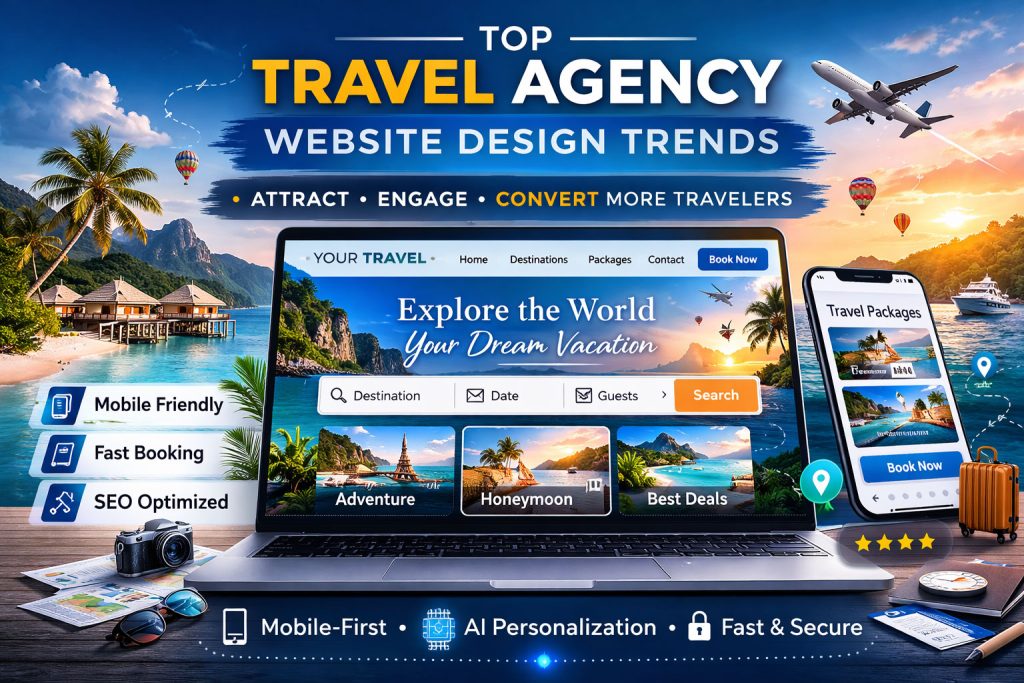
1. Immersive Visual Storytelling With High-Impact Imagery
6
Travel is an emotional purchase. People choose destinations because of how they feel, and the most effective travel websites use immersive visual storytelling to create that excitement instantly.
Modern travel agency websites embrace:
- Full-width hero images
- Cinematic destination videos
- Dynamic sliders showcasing top packages
- High-resolution lifestyle photography
- 360° visual experiences
These visuals help visitors imagine themselves at the destination and stay engaged longer.
Why it converts:
Emotional impact drives user curiosity, reduces bounce rates, and increases the likelihood of booking or inquiry.
2. AI-Powered Personalization and Smart Itinerary Builders
Platforms like Expedia and Booking.com have normalized highly personalized browsing. Now, travel agencies are integrating similar AI-powered features, such as:
- Intelligent itinerary planners
- Dynamic package recommendations
- AI-powered chat assistants
- Tailored destination suggestions
- Personalized budget-based trip options
These tools make the browsing experience feel hyper-relevant and increase user engagement.
Why it matters:
Personalization reduces friction and helps visitors make decisions faster, directly influencing conversion rates.
3. Minimalist, Mobile-First Interface Designs
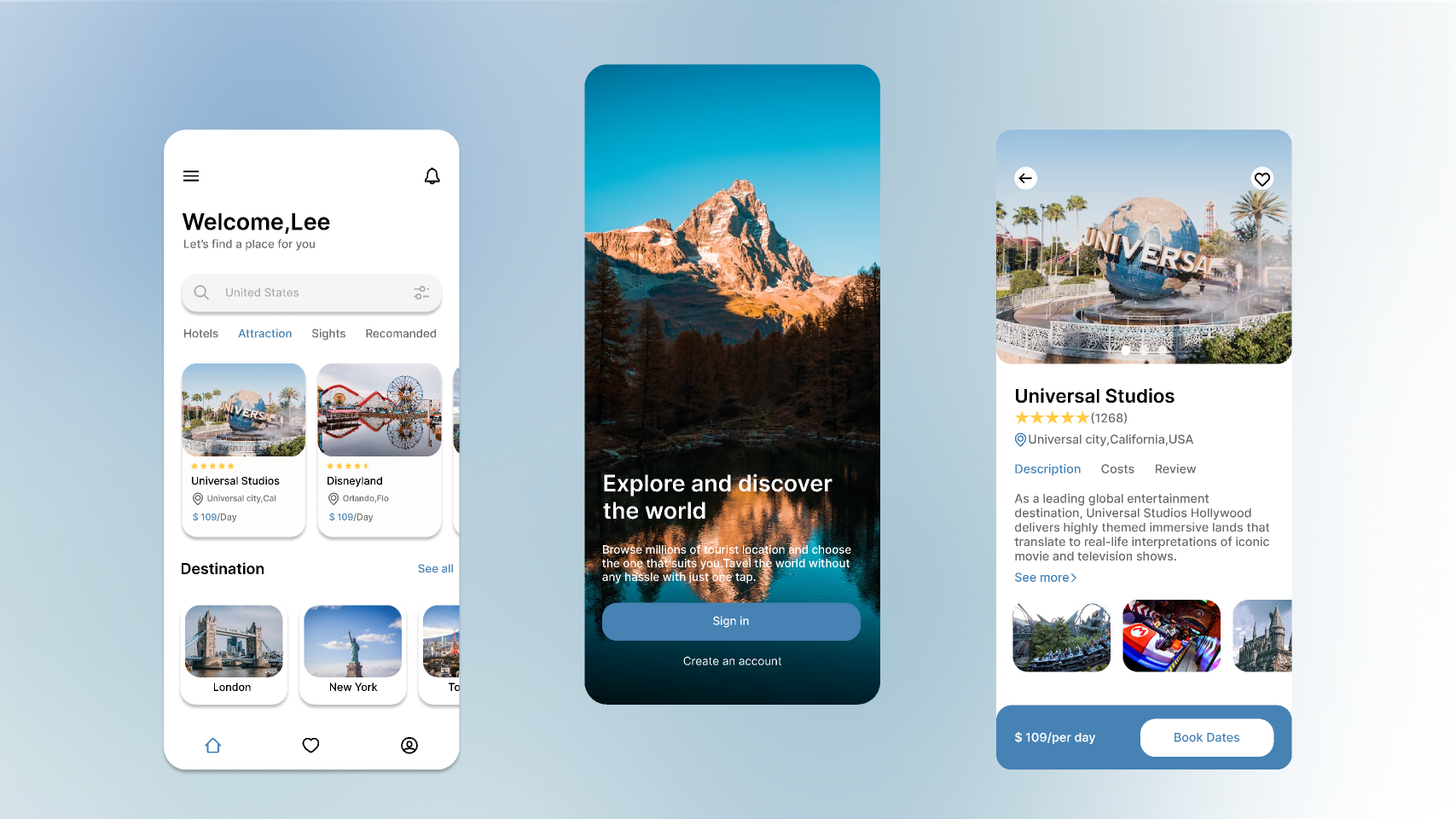
More than 65% of travel planning happens on mobile devices. Modern travel agency website design now prioritizes mobile-first usability with:
- Streamlined navigation
- Large touch-friendly buttons
- Simple, uncluttered layouts
- Vertical scroll storytelling
- Sticky booking bars or CTAs
- Reduced text on mobile screens
SEO benefits:
Google rewards mobile-optimized websites with higher ranking potential, especially for competitive keywords like “travel agency website design.”
4. Integrated Booking Engines With Seamless UX
A traveler visiting your website wants a frictionless booking experience. Modern travel sites now utilize:
- One-page booking flows
- Intuitive calendar and price selectors
- Auto-filled traveler details
- Transparent pricing and taxes
- Multi-currency and multi-language support
- Guest checkout options
These UX improvements mirror the smooth booking experiences offered by industry giants like Airbnb, raising user expectations across the board.
5. Story-Driven Destination Pages With SEO-Enhanced Content
Destination pages are crucial for both user engagement and search visibility. Leading travel agencies now create long-form, story-rich destination pages featuring:
- Local culture insights
- Seasonal travel guides
- Suggested itineraries
- High-resolution galleries
- Google Maps integrations
- FAQs and pro tips
- Best activities and food recommendations
These pages serve as trust-building resources and boost organic rankings.
If you want these pages to rank even better, partnering with a dedicated travel SEO company can help you achieve stronger visibility.
6. Interactive Features That Improve User Engagement
Travelers love exploring options. That’s why interactive elements are appearing more frequently, including:
- Trip cost calculators
- Region or destination maps
- Drag-and-drop itinerary builders
- Travel quizzes (e.g., “Find your perfect destination”)
- Filterable package catalogs
- Weather or seasonality widgets
- Virtual hotel or destination tours
Impact:
These interactions increase time-on-site, improve user satisfaction, and send positive engagement signals to search engines.
7. Authentic Social Proof and UGC Integration
Trust is everything in travel. Modern travel sites integrate real user-generated content to showcase credibility:
- Customer reviews and ratings
- Embedded Instagram or TikTok feeds
- Traveler photo galleries
- Influencer trip features
- Social badges and review snippets from Tripadvisor
Authentic visuals and real traveler experiences help eliminate uncertainty and build trust faster than traditional marketing.
8. Eco-Conscious Visual Identity and Responsible Travel Messaging
Sustainability is becoming central to modern travel decisions. Travel agencies now incorporate:
- Green, earthy color themes
- Carbon offset information
- Eco-friendly travel badges
- Low-impact tour guidelines
- Community-driven storytelling
- Sustainable accommodation filters
This appeals strongly to millennials and Gen Z, who prioritize meaningful and responsible travel.
9. Speed-Optimized Websites for Instant Loading
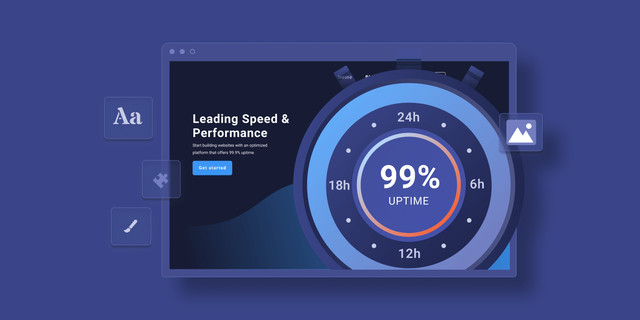
Travel sites are image-heavy—and often slow. To compete, agencies now adopt advanced performance practices:
- Next-gen image formats (WebP, AVIF)
- Lazy loading
- Server-side rendering
- CDN delivery
- Script minimization
- Efficient caching systems
- Lightweight, modern code frameworks
Why this trend is critical:
Website speed affects everything from search rankings to conversion rates.
10. Accessibility and Inclusive UX for All Users
Accessibility is a core priority, especially as global travelers come from diverse age groups and abilities. Modern travel websites incorporate:
- Screen reader-friendly text
- Sufficient color contrast
- Keyboard navigation
- Alt text on all images
- Video captions
- Adjustable text sizes
This ensures your website is usable for everyone and improves overall user trust.
The Future of Travel Agency Website Design
The future of travel agency website design blends immersive visuals, personalization, high-speed performance, and trust-driven elements. Travelers expect a seamless digital experience—one that informs, inspires, and simplifies decision-making.
To stay competitive, your travel website should:
- Showcase destinations through immersive storytelling
- Provide mobile-first, minimalist navigation
- Personalize user journeys with smart tools
- Offer frictionless booking experiences
- Feature rich, SEO-optimized content
- Use real travel stories and social proof
- Perform lightning-fast
- Remain accessible to all users
Whether you’re redesigning your site or building a new one, working with a specialized tourism website design agency and optimizing with a trusted travel SEO company can dramatically improve your digital presence and help you dominate online travel searches.
Add your first comment to this post